Day 1 – Morning: Arrival and First Impressions
Your city adventure begins the moment you arrive.
Whether you step off a train, plane, or bus, take a moment to notice your surroundings. Cities have distinctive atmospheres. You might catch the scent of roasted coffee drifting from nearby cafés, the smell of fresh pastries from a bakery, or the earthy scent of rain on pavement.
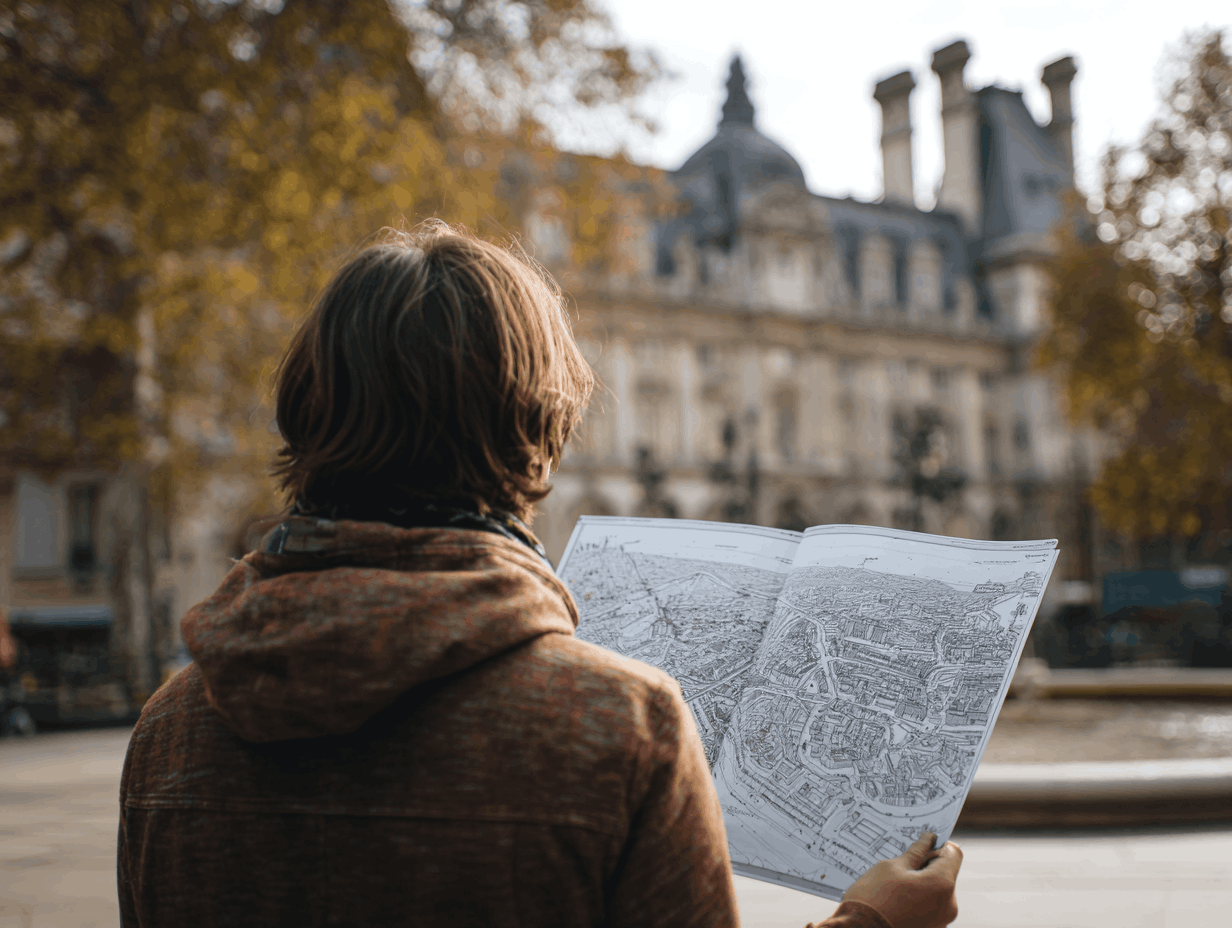
Instead of rushing to your accommodation, begin with a walk. Let the streets guide your first impressions. Notice the buildings, the rhythm of pedestrians, and the small interactions happening around you.
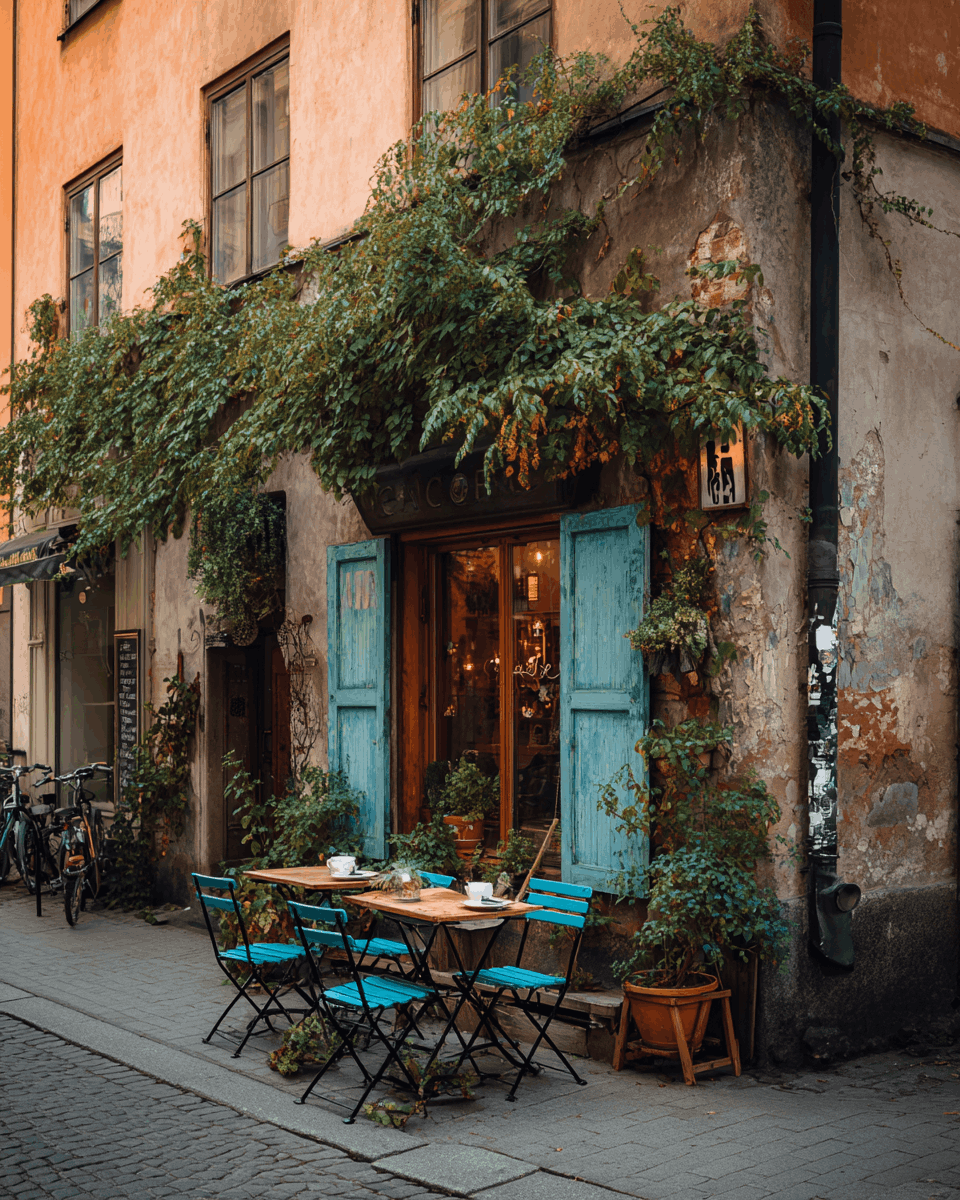
Find a café for your first pause. Sitting outside with a cup of coffee allows you to observe the city’s pace and character. The sounds of conversation, passing vehicles, and footsteps create the soundtrack of urban life.
Breakfast is an excellent opportunity to try something local. Small bakeries, neighborhood cafés, or street food stalls often provide more authentic experiences than familiar chain restaurants. A simple pastry or sandwich enjoyed slowly can set the tone for the rest of your trip.
Day 1 – Late Morning: Exploring the Highlights
After breakfast, begin exploring one of the city’s key neighborhoods.
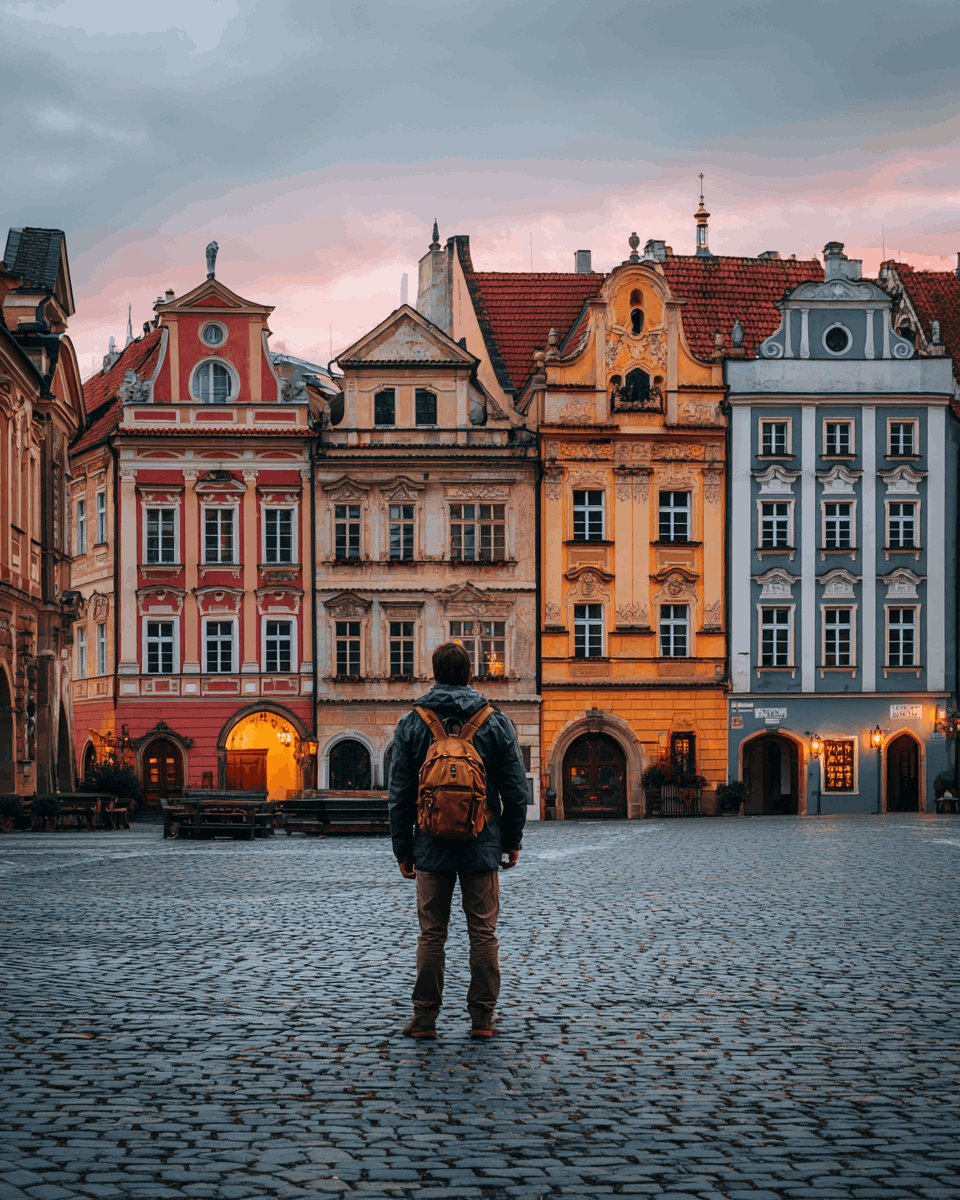
Most cities have central districts filled with historic buildings, lively squares, and public spaces. Walk through these areas and allow yourself to notice details: fountains in plazas, street art on building walls, or small shops selling handmade items.
You don’t need to visit every landmark. Instead, choose a few places that interest you and take time to appreciate them.
While walking, remain open to spontaneous discoveries. A small bookshop, a street performer, or an interesting mural may become one of the most memorable moments of your trip.
Photographs can capture these scenes, but try to experience them directly rather than through a camera lens.
Day 1 – Afternoon: Lunch and Local Atmosphere
By midday, exploring will naturally lead to hunger.
Look for a place where locals seem comfortable. Small restaurants, casual eateries, or market stalls often offer dishes that represent the city’s culinary traditions.
Enjoy lunch slowly rather than rushing through it. Watching the surrounding activity—people passing by, conversations at nearby tables—can be just as enjoyable as the meal itself.
After lunch, continue exploring the city from a different perspective. If possible, try using public transportation. Trams, buses, or subway lines can quickly connect you to other districts and provide a view of everyday city life.
Another option is to visit a park, museum, or waterfront area. Even a short cultural stop can provide insight into the city’s history or artistic scene.
Day 1 – Evening: Sunset and Urban Energy
As evening approaches, cities begin to transform.
Lights appear in windows and along streets, restaurants become busier, and the atmosphere shifts into a lively nighttime rhythm.
Consider finding a viewpoint to watch the sunset—perhaps a hilltop park, a riverside walkway, or a rooftop terrace. Urban sunsets may not always be dramatic, but they create a warm glow that changes the mood of the city.
Dinner can be casual or more formal depending on your preference. Some travelers enjoy discovering street food or local cafés, while others prefer quiet restaurants where they can relax after a day of walking.
After dinner, take a slow evening walk. Nighttime streets often reveal a different personality, with music drifting from venues, illuminated buildings, and a slightly mysterious atmosphere.
Day 2 – Morning: A Calm Start
Starting early on the second day allows you to experience a quieter side of the city.
Morning light softens the architecture and streets are less crowded. Cafés begin preparing breakfast, bakeries fill the air with the smell of fresh bread, and local residents start their daily routines.
Enjoy a relaxed breakfast—perhaps something different from the day before. Sitting near a window or outside terrace gives you the chance to observe the city gradually waking up.
Afterward, take a peaceful walk through a park, waterfront, or residential neighborhood. These quieter areas reveal a more personal side of urban life.
Day 2 – Late Morning: Hidden Corners
Late morning is an excellent time to search for places beyond the main attractions.
Small neighborhoods often contain some of the most interesting experiences: local markets, quiet courtyards, independent galleries, and unique cafés.
Instead of following a strict route, allow yourself to wander. Cities reward curiosity. A narrow alley may lead to a charming square, while a small market might introduce you to local flavors or crafts.
Talking briefly with locals—shopkeepers, café staff, or market vendors—can also offer helpful recommendations for places worth visiting.
Day 2 – Afternoon: Culture and Relaxation
For your final afternoon, choose one activity that interests you most.
Some travelers enjoy visiting a museum or historical site to better understand the city’s heritage. Others prefer relaxing in a park, walking along a river, or exploring a neighborhood they missed earlier.
Lunch provides another opportunity to try something new. Markets and food stalls often offer quick, flavorful meals that capture the essence of the city’s cuisine.
Take your time during this part of the day. The goal is to absorb the atmosphere rather than rush through the remaining hours.
Day 2 – Evening: The Final Walk
Before leaving the city, take one last stroll through a favorite area.
Return to a place that stood out during your visit—a lively square, a quiet street, or a waterfront path. Seeing it again allows you to notice details that might have been missed before.
If time allows, stop for a final coffee or small meal. Reflect on the experiences of the past two days: the streets explored, the flavors discovered, and the moments that made the trip unique.
Even a short visit can create lasting impressions.
Tips for a Successful 48-Hour City Trip
Pack lightly
A small backpack is usually enough. Traveling light makes it easier to move quickly and explore comfortably.
Wear comfortable shoes
Cities often involve long walks, uneven streets, and public transport stairs. Good footwear makes a big difference.
Plan only the essentials
Choose one or two places you definitely want to see, but leave space for spontaneous discoveries.
Try local food
Markets, bakeries, and small cafés often provide the most memorable meals.
Use public transport
Trams, buses, and subways can show you different parts of the city efficiently.
Take breaks
Short pauses for coffee or people-watching help you enjoy the experience without feeling rushed.
Why 48 Hours Is Enough
Two days in a city may seem brief, but it can be surprisingly fulfilling.
The limited time encourages focus. Instead of trying to do everything, you concentrate on meaningful experiences—walking through neighborhoods, tasting local food, and observing daily life.
These small moments often become the memories that stay with you: the sound of music in a square, the smell of fresh bread from a bakery, or the quiet beauty of a hidden courtyard.
A 48-hour city trip offers a glimpse of a place’s personality. And sometimes, that glimpse is enough to inspire a future return.
Cities are vibrant, unpredictable, and endlessly interesting. Even a short visit can spark curiosity and creativity.
Two days may pass quickly, but the impressions of the city—its streets, flavors, sounds, and energy—can stay with you long after the journey ends.

48 Hours in the City
Two days, fully packed or completely relaxed—your mini urban adventure starts here. Experience the highlights, feel the rhythm of the streets, and still leave room to breathe.
Sometimes you don’t have the luxury of a long vacation. Work schedules, responsibilities, and everyday routines often leave only a short window for travel. Fortunately, cities are perfect destinations for quick escapes. Even 48 hours can be enough to experience the energy, culture, and personality of a place.
A short urban trip isn’t about trying to see everything. Instead, it’s about choosing a few meaningful experiences, walking through neighborhoods, tasting local food, and allowing the city to reveal itself naturally. With the right mindset, two days can feel rich, immersive, and surprisingly memorable.