The First Impressions of a City
Arriving in a new city often feels like stepping into a completely different atmosphere.
The air carries layers of scent—fresh coffee from nearby cafés, pastries from early morning bakeries, street food grilling somewhere around the corner, and sometimes the faint smell of rain on pavement. The sounds arrive immediately as well: footsteps on sidewalks, conversations drifting from outdoor tables, buses braking at stops, and music playing from somewhere unseen.
Cities stimulate all the senses at once. Instead of overwhelming you, this sensory energy can spark curiosity and excitement. Your mind shifts into exploration mode, eager to notice everything.
Even if you’re only visiting for a couple of days, the city already feels full of possibilities.
Start With a Walk
The simplest way to begin a city burst is to walk.
Leave the map in your bag for a while and allow the streets to guide you naturally. Turn down side roads, explore small alleys, and pay attention to places that spark curiosity. Cities are full of hidden corners that don’t appear in travel guides.
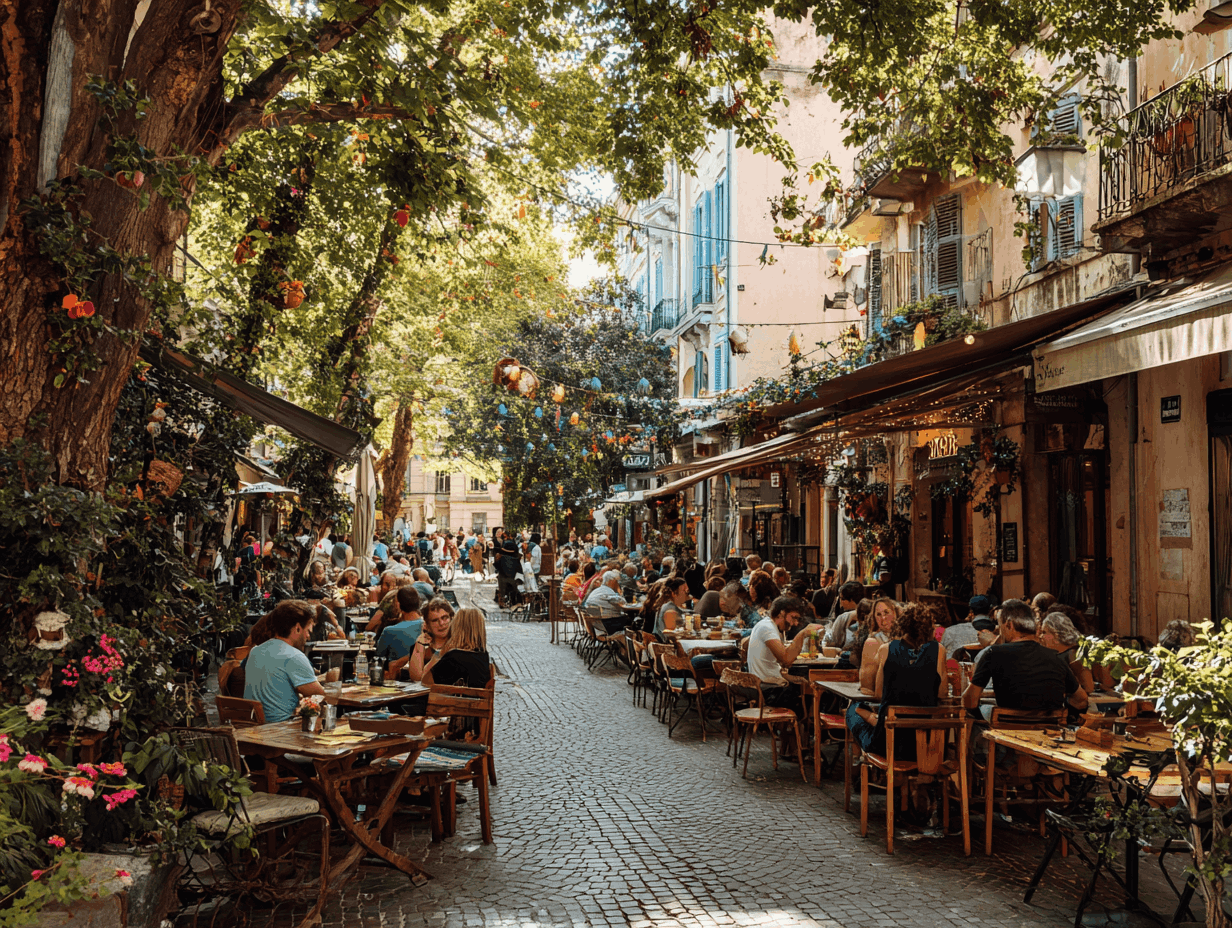
You might discover a tiny café with a few outdoor tables, a colorful mural painted across a building wall, or a small shop selling unusual handmade goods.
Urban exploration is about observation. The charm of a city often lies in the unexpected details—the things you find when you’re not actively searching.
The Essential Coffee Stop
Coffee becomes an important part of city exploration.
The first cup helps you adjust to the city’s pace. It’s the quick pause that gives you energy for the hours ahead. The second cup, however, is the one that allows you to slow down and observe.
Find a small café, preferably one with outdoor seating, and watch the street life unfold. People walking past, bikes weaving through traffic, friends greeting each other—these simple scenes form the everyday rhythm of the city.
Sitting with a cup of coffee while watching the world move around you can feel surprisingly immersive.
Food as Part of the Adventure
Cities are full of culinary opportunities, and food often becomes one of the most memorable parts of a short urban escape.
Street vendors, local markets, bakeries, and casual restaurants all contribute to the city’s flavor. Instead of focusing only on well-known places, try whatever catches your attention.
Sometimes the most memorable meal is a quick snack from a street stall or a pastry from a small neighborhood bakery.
Urban dining also offers variety. Within a few streets you may find dishes inspired by different cultures, flavors, and cooking traditions. Exploring food becomes a way of exploring the city itself.
Moving Through the City
Walking reveals many details, but public transportation can show you another side of the city.
Buses, trams, subways, and trains connect neighborhoods that each have their own character. Riding through different districts gives you a broader perspective of the urban landscape.
Observe the architecture, the street signs, and the mixture of people traveling alongside you—locals commuting to work, students heading to class, visitors discovering the city for the first time.
Cities are defined not just by their buildings but by the constant movement of people within them.
Art, Culture, and Everyday Creativity
Cities naturally collect art and culture.
Museums, galleries, theaters, and exhibition spaces provide opportunities to explore creative work, historical collections, and cultural stories. If time allows, visiting one or two can deepen your understanding of the place.
At the same time, creativity is everywhere outside those walls. Street murals, sculptures in public squares, musicians performing near subway entrances, and handmade posters for local events all contribute to the city’s visual identity.
Even a simple walk can become a kind of gallery if you pay attention to the details around you.
Midday Pause
At some point during your exploration, it helps to pause.
Cities move quickly, but that doesn’t mean you have to follow the same pace all the time. Parks, plazas, and small public squares offer perfect places to sit for a while.
Find a bench, enjoy a snack, and watch daily life unfold. Couples walking dogs, office workers taking lunch breaks, children chasing birds across the pavement—these moments capture the authentic character of the city.
A short break also helps balance the constant stimulation, allowing the experience to feel enjoyable rather than overwhelming.
Markets and Local Shops
Urban shopping doesn’t always mean large shopping centers.
In many cities, the most interesting places to browse are local markets, small boutiques, or flea stalls. Even if you’re not planning to buy anything, exploring these places offers insight into the local culture.
You’ll notice colors, smells, textures, and handmade items that reflect the personality of the city. Vendors chatting with customers, artists displaying their work, and antique sellers sharing stories about unusual objects all contribute to the atmosphere.
Markets often feel like living museums of daily life.
Evening Energy
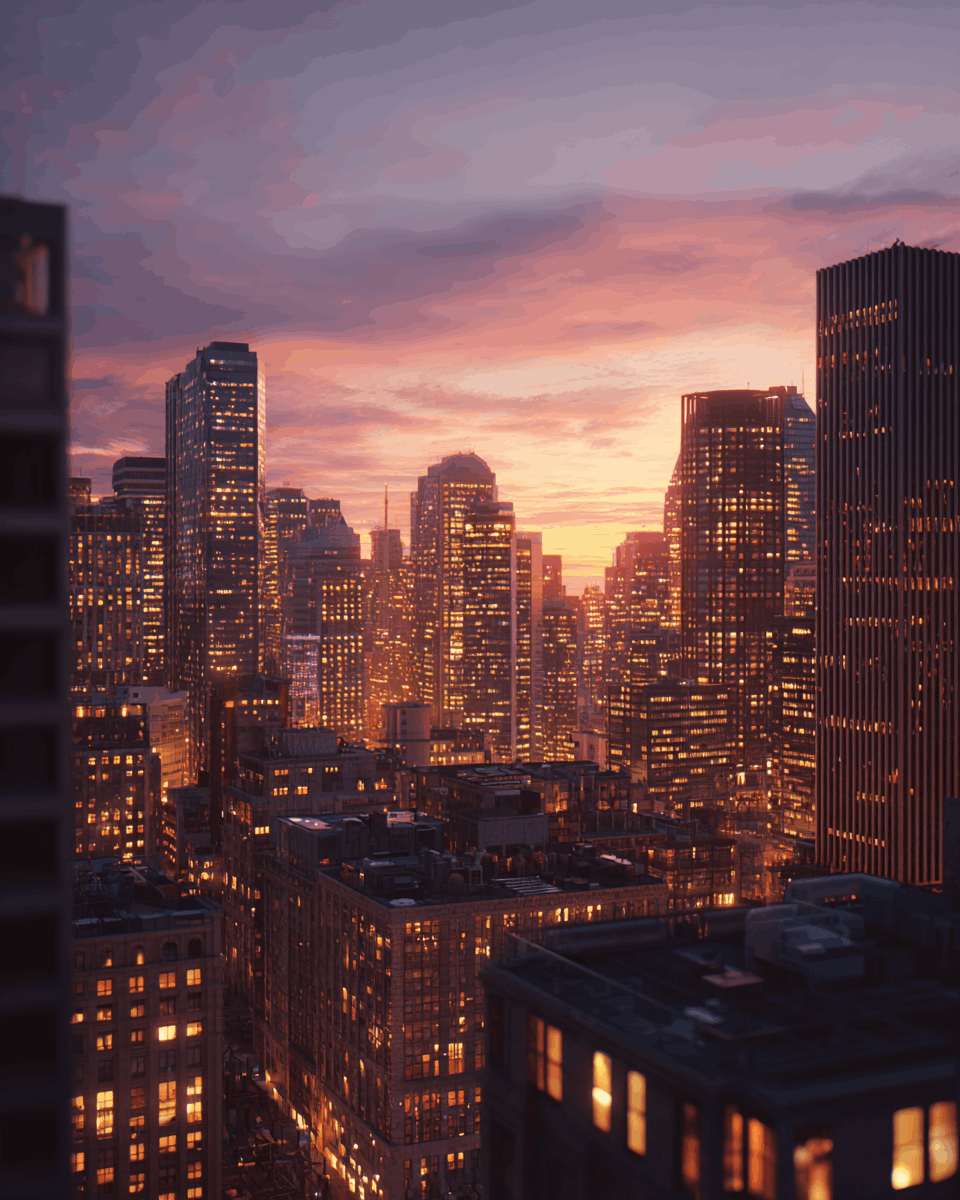
As daylight fades, cities begin to transform.
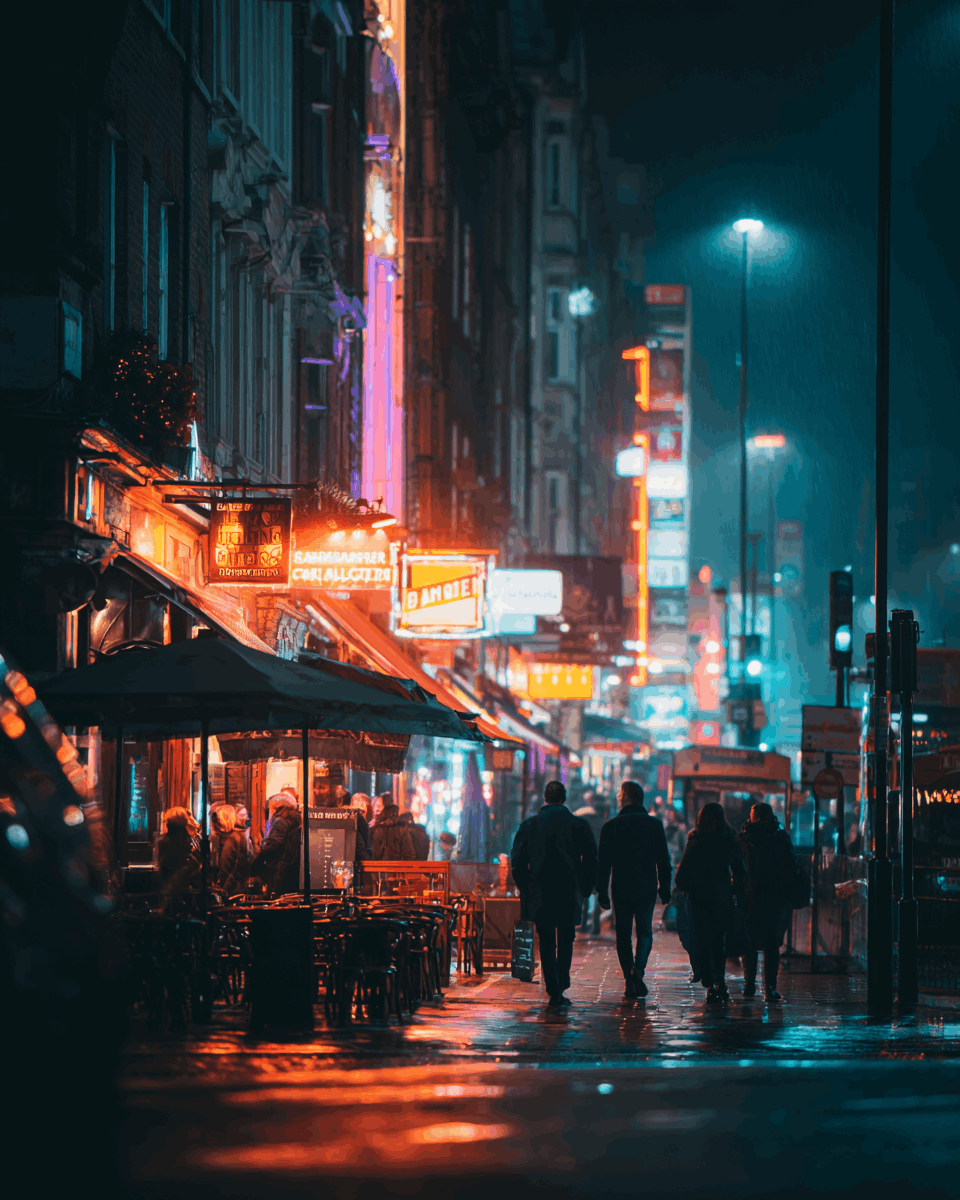
Streetlights turn on, neon signs glow, and cafés and restaurants fill with people enjoying the evening. The city feels electric—alive with conversation, music, and movement.
Walking through illuminated streets can feel completely different from daytime exploration. Windows reflect light, storefronts glow warmly, and the sounds of laughter or live music drift through the air.
Some travelers choose rooftop viewpoints to watch the city skyline after dark, while others prefer wandering through lively neighborhoods where evening activity continues late into the night.
Late-Night Discoveries
Cities also reveal quieter sides after midnight.
Late-night cafés, food stalls, or small music venues often remain open while most people sleep. Streets become calmer, and the atmosphere shifts into something more reflective.
The glow of streetlights on empty sidewalks, the distant sound of a passing tram, or the quiet hum of traffic can create surprisingly peaceful moments within the urban environment.
These late hours sometimes produce the most memorable experiences of a city burst.
A New Perspective in the Morning
Morning brings another change in mood.
Before the city fully wakes, the streets feel quieter and softer. Early light touches buildings differently, and cafés begin preparing for the day ahead.
Bakeries release the smell of fresh bread and pastries, drawing early walkers inside. A slow breakfast or a simple coffee can become a perfect way to start the final hours of your city escape.
Morning walks often reveal details you missed the day before.
Why City Bursts Are So Memorable
Short urban trips feel intense in the best possible way.
Within a couple of days you may walk miles, taste unfamiliar dishes, hear multiple languages, see inspiring art, and discover neighborhoods with completely different personalities.
Cities present contrasts everywhere—old buildings beside modern towers, quiet parks surrounded by busy streets, moments of calm hidden inside constant motion.
These contrasts create the excitement that defines a city burst.
Returning Home With New Energy
Even brief time spent in a vibrant city can leave a lasting impression.
You return home carrying small memories: the sound of a street musician, the taste of a pastry from a corner bakery, the glow of city lights reflecting on wet pavement after rain.
City bursts remind us how dynamic and creative urban environments can be. They encourage curiosity, spontaneity, and openness to new experiences.
So when you feel the urge for movement, inspiration, and a little chaos, choose a city.
Walk the streets, explore freely, taste everything, and allow the energy around you to pull you forward.
City bursts are fast, vivid, and endlessly surprising—and even the shortest visit can leave you inspired long after the trip ends.
City Bursts
When you crave energy, lights, cafés, and a pulse that keeps you moving. Cities that spark excitement in every corner.
Sometimes the best travel experience isn’t about escaping the noise—it’s about stepping directly into it. There are moments when quiet landscapes or slow island rhythms simply aren’t what you’re looking for. Instead, you want movement, color, people, and the vibrant feeling of a place that never truly pauses.
That’s the spirit of a city burst. It’s a short, energetic escape into an urban environment where every street offers something new to see, taste, or hear. Cities provide stimulation, creativity, and the thrill of discovery. Even a single weekend can feel full of life when spent in a place where the streets hum with activity.
City bursts are not about ticking off every attraction or following a rigid itinerary. They’re about absorbing the rhythm of the streets, letting curiosity guide your path, and enjoying the endless variety that cities naturally provide.