Morning: Breakfast That Sets the Tone
Every foodie escape begins with breakfast.
Instead of starting your day with a standard hotel buffet, look for a neighborhood bakery or a small café where locals gather in the morning. These places often provide the freshest pastries, breads, and coffee in the area.
The smell of baking dough, roasting coffee beans, or warm butter pastries drifting through the air can draw you inside before you even see the menu.
Order something simple and enjoy it slowly. A flaky pastry, fresh bread with jam, or a warm breakfast sandwich paired with coffee can create the perfect start to your culinary exploration.
If possible, sit near a window or at an outdoor table. Watching people begin their day while enjoying breakfast adds a pleasant rhythm to the experience.
Late Morning: Small Bites and Discoveries
After breakfast, begin exploring the surrounding streets.
Food-focused travel rewards curiosity. Keep an eye out for small cafés, juice stands, bakeries, and specialty shops. Even a short walk may reveal surprising options—a fruit vendor offering unfamiliar produce, a chocolate shop with handmade treats, or a bakery displaying warm rolls just out of the oven.
These spontaneous discoveries often become the highlights of a foodie trip.
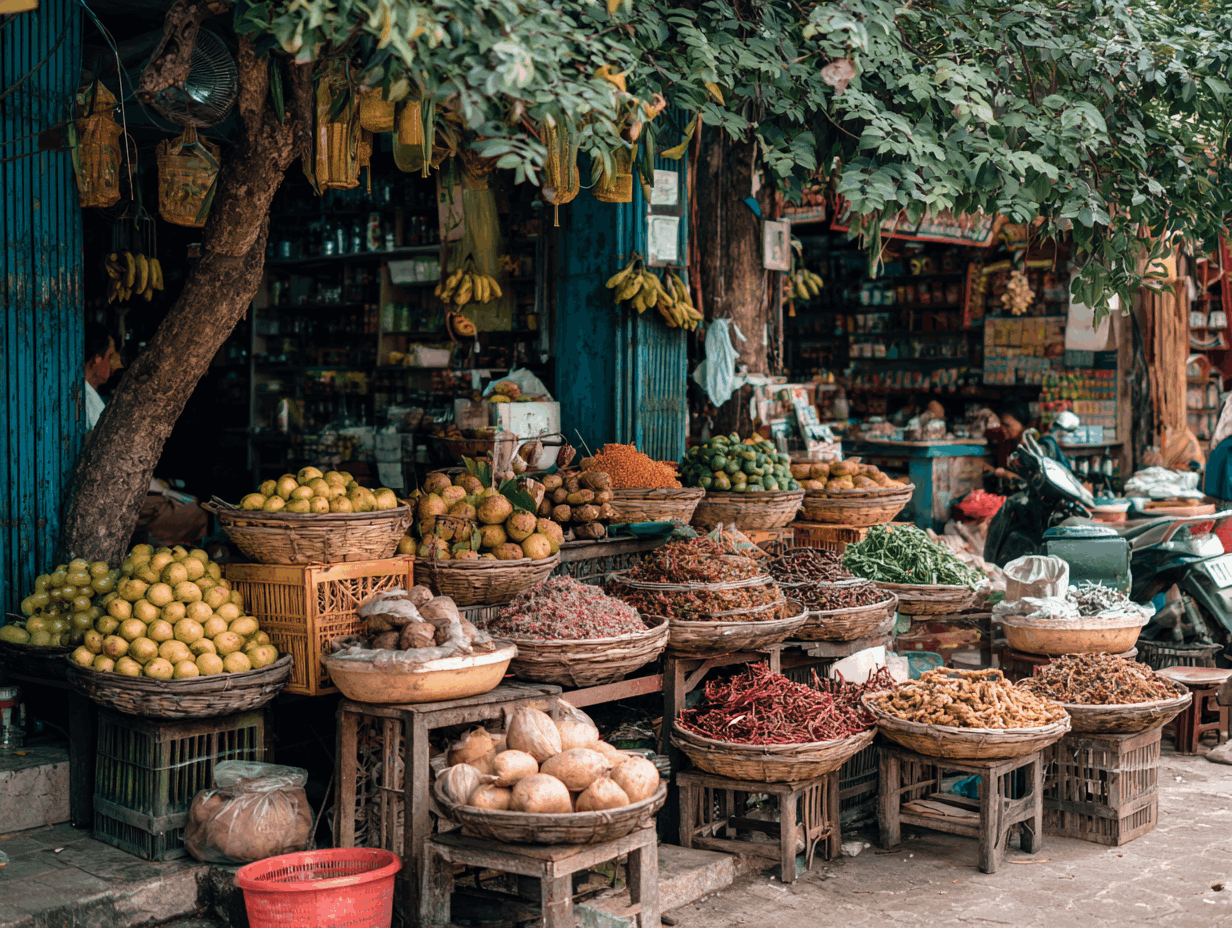
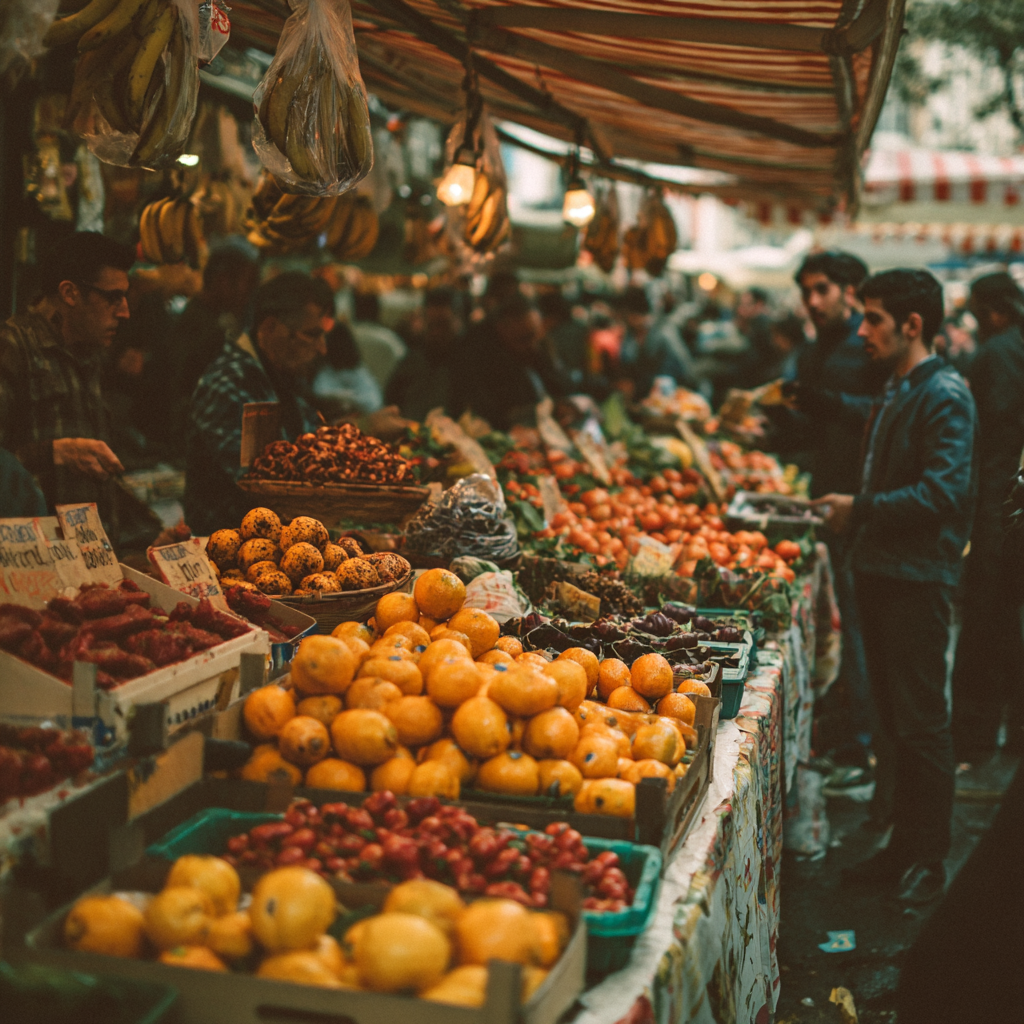
Markets are particularly valuable for travelers who want to experience authentic local flavors. Stalls filled with vegetables, cheeses, spices, breads, and sweets create an atmosphere that feels lively and colorful.
Talking with vendors can also be rewarding. They often know which products are freshest that day and may happily recommend something unique to try.
Markets are more than places to buy food—they’re places where the culture of a region is visible and active.
Lunch: Discovering Local Dishes
By midday, it’s time for a more substantial meal.
Rather than choosing the first restaurant you see, look for places where locals gather. Small family-run restaurants, neighborhood cafés, and casual diners often serve dishes that reflect traditional recipes and regional ingredients.
Take your time during lunch. Foodie escapes are not about rushing from one meal to the next. Instead, they encourage you to slow down and notice flavors, textures, and aromas.
You might discover combinations of ingredients that are unfamiliar but surprisingly satisfying. These new tastes often become lasting memories connected to the destination.
The setting can also add to the experience. A quiet café, a lively street corner, or a small restaurant with open windows can make lunch feel even more enjoyable.
Afternoon: Sweet Treats and Refreshing Stops
After lunch, a gentle walk through the city or town often reveals more culinary opportunities.
Dessert shops, ice cream parlors, juice bars, and coffee stands appear in many neighborhoods. Even if you’re not particularly hungry, sampling a small treat can add another layer to the day’s experience.
Perhaps it’s a scoop of gelato, a slice of cake, or a refreshing fruit drink. These lighter stops allow you to keep tasting without feeling overwhelmed.
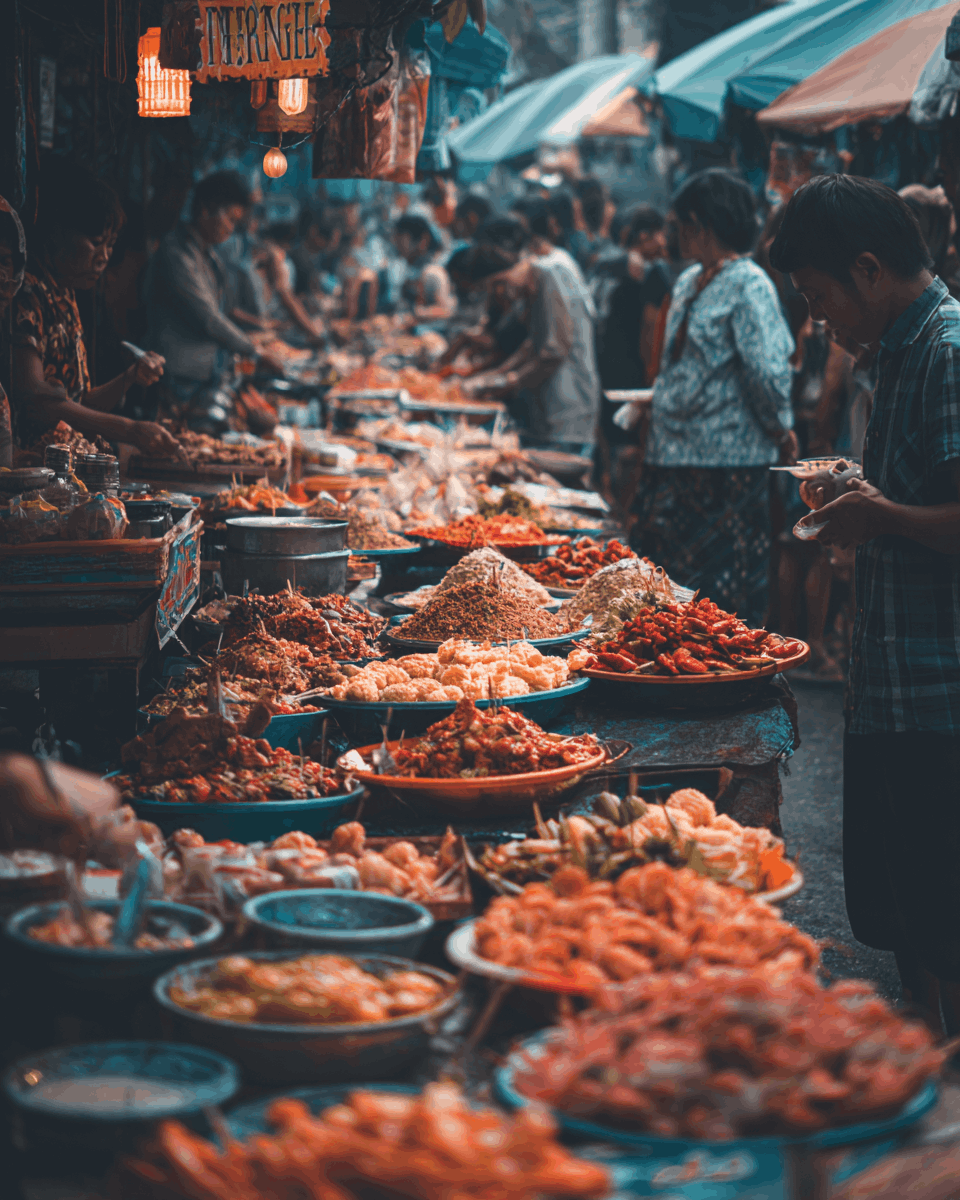
Street food vendors also become more active in the afternoon. Their small portions make it easy to try something new while continuing your exploration.
Watching food prepared in front of you—the sizzling sounds, the rising steam, the aroma drifting through the air—can be just as enjoyable as the food itself.
Evening: A Relaxed Dinner Experience
Evening brings another opportunity to explore local cuisine.
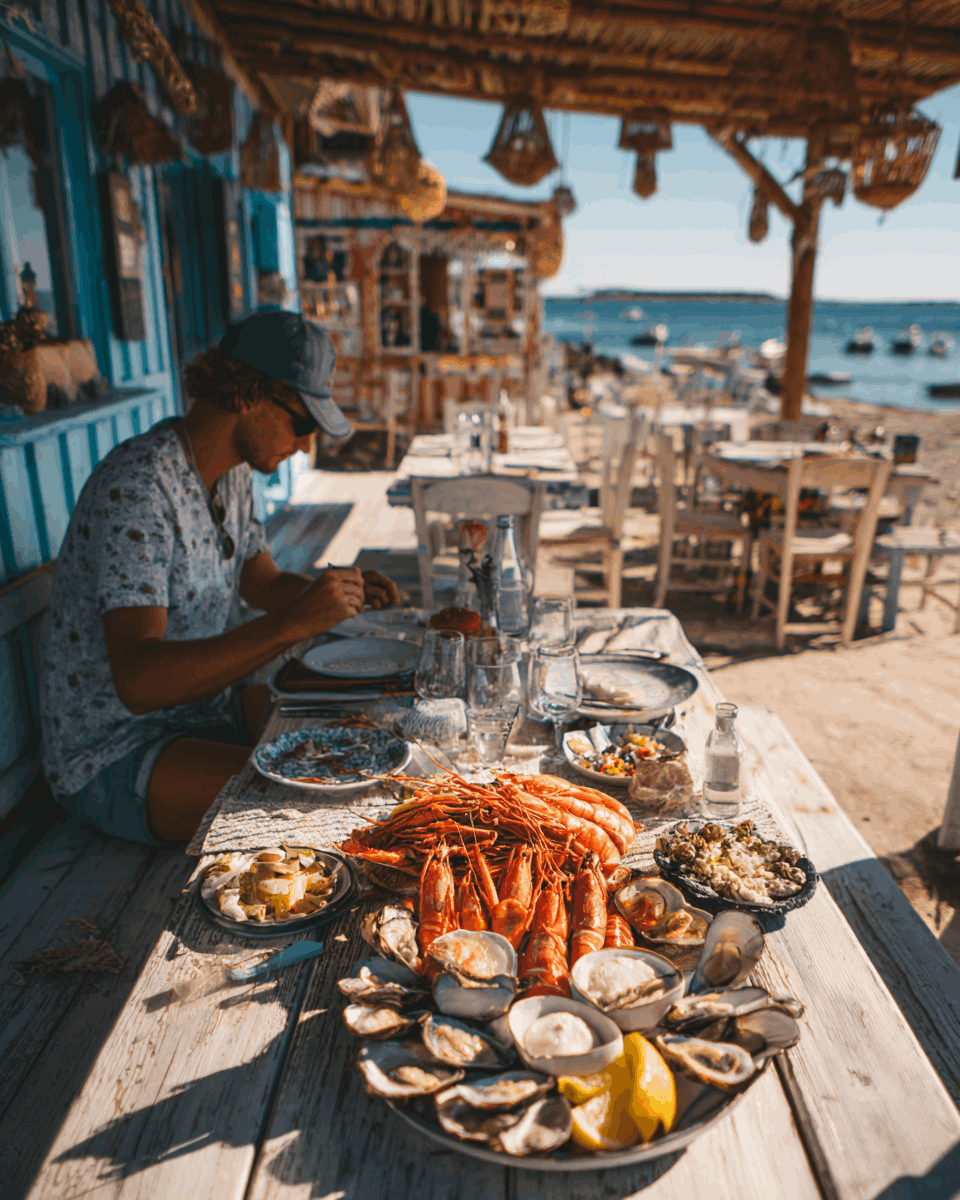
Dinner during a foodie escape doesn’t need to be formal. Many travelers prefer casual restaurants or family-run establishments where meals feel personal and authentic.
If the menu is unfamiliar, asking for recommendations can lead to excellent choices. Restaurant staff often enjoy sharing their favorite dishes or suggesting something popular among locals.
Dinner is also a time to slow down and enjoy the full atmosphere of the place. The sounds of conversation, the glow of lights through windows, and the quiet buzz of activity all contribute to the experience.
Some travelers enjoy ordering several small dishes to taste a variety of flavors. Others prefer a single comforting meal followed by a relaxing walk through the neighborhood.
Either approach captures the spirit of a foodie escape.
Late Night: Snacks and Nighttime Flavors
For those who enjoy exploring after dark, cities and towns often offer additional food experiences late at night.
Dessert cafés, small food trucks, and casual eateries sometimes stay open well into the evening. These spots provide perfect opportunities for a final snack before the day ends.
Late-night treats might include warm pastries, creative desserts, or simple street food enjoyed while strolling through softly lit streets.
Nighttime food experiences can feel especially memorable because the atmosphere is calmer and more relaxed than during the busy daytime hours.
Helpful Tips for Foodie Escapes
Walk as much as possible
Many of the best food discoveries appear while exploring on foot.
Talk with locals
Vendors, baristas, and restaurant staff often know the best hidden places to eat.
Stay spontaneous
If something smells appealing or looks interesting, give it a try.
Choose small portions
Sampling smaller bites allows you to taste a wider variety of dishes.
Stay hydrated
Exploring and tasting food throughout the day can be surprisingly tiring.
Trust your senses
Sometimes the best choices come simply from following delicious aromas.
Why Food-Centered Trips Are So Memorable
Food connects travelers to a destination in a direct and personal way.
Through meals and snacks, you experience local ingredients, traditions, and daily routines. Markets reveal how communities shop and cook, while cafés and restaurants show how people gather and socialize.
These experiences create vivid memories: the smell of fresh bread, the vibrant colors of fruit at a market stall, the warmth of a crowded café, or the unexpected flavor of a dish you’ve never tried before.
Even a short trip built around food can feel rich and immersive.
Final Thoughts
Easy foodie escapes remind us that travel doesn’t have to be complicated to be rewarding.
A simple plan—wander the streets, taste new dishes, pause for coffee, and explore local markets—can create a travel experience filled with discovery.
Whether you visit a bustling city, a small town, or a quiet island, food provides a natural path to understanding the place and its culture.
So the next time you plan a short trip, consider choosing a destination known for its flavors. Walk through its streets, explore its markets, and enjoy the small pleasures that come with every bite.
A foodie escape is simple, sensory, and deeply satisfying—and sometimes the most memorable journeys are the ones guided by taste.
Easy Foodie Escapes
Cities, towns, and islands where the food becomes the highlight of the journey. Wander, taste, sip, and discover flavors that turn a simple trip into a sensory adventure.
Not every trip needs to revolve around famous landmarks or packed itineraries. Sometimes the most memorable journeys are guided by something much simpler: food. The aroma of fresh bread drifting from a bakery, the sound of a sizzling street stall, or the colorful displays of a busy market can shape an entire travel experience.
Easy foodie escapes are short trips built around these culinary discoveries. They focus on exploring destinations through flavors—sampling local dishes, wandering through markets, and enjoying casual cafés or street food stalls along the way.
You don’t need reservations at exclusive restaurants or elaborate dining plans. Often the most satisfying meals come from small places you discover by chance: a bakery tucked into a quiet street, a tiny café with just a few tables, or a market stall where locals gather for quick bites.
Food has a remarkable way of revealing the culture of a place. Each meal, snack, or drink becomes a small story about local traditions, ingredients, and everyday life.